Thrive Forum: “Impact of landscape fires in a changing climate”
Please join us for our next Thrive Forum: Impact of fire in a changing climate. 🗓️ Date: 2nd July 2026 ⏱️ Time: 9:00am – 3:45pm AEST (Brisbane) 📍 Venue: The Gibson Room, Z Block, Level...
Please join us for our next Thrive Forum: Impact of fire in a changing climate.
🗓️ Date: 2nd July 2026
⏱️ Time: 9:00am – 3:45pm AEST (Brisbane)
📍 Venue: The Gibson Room, Z Block, Level 10, Room 1064, Queensland University of Technology, 2 George Street, Brisbane QLD 4000. Download QUTs Gardens Point Campus Map
💻 Online: A Zoom link will be included in the agenda as well as sent to participants as a calendar invitation upon registration.
📝Click Here to Register for the Forum
📃Download the Agenda
Background: Landscape fires are increasing in frequency and intensity across multiple regions globally, with recent catastrophic events recorded in Australia, Canada, the United States, and Europe. Emerging evidence indicates that climate and environmental change are key drivers of heightened fire risk and severity. In Australia, modelling consistently projects longer fire seasons and a greater likelihood of extreme events in coming decades.
A major public health issue associated with landscape fires is the substantial volume of smoke they generate. Landscape fire smoke can travel extensive distances affecting far larger populations than the immediate fire front, and is often underemphasised in public health messaging during fire emergencies. During the 2019–2020 south east Australian fires, smoke was implicated in approximately 430 estimated deaths and was associated with marked increases in respiratory illness, as reflected by surges in respiratory medication dispensing.
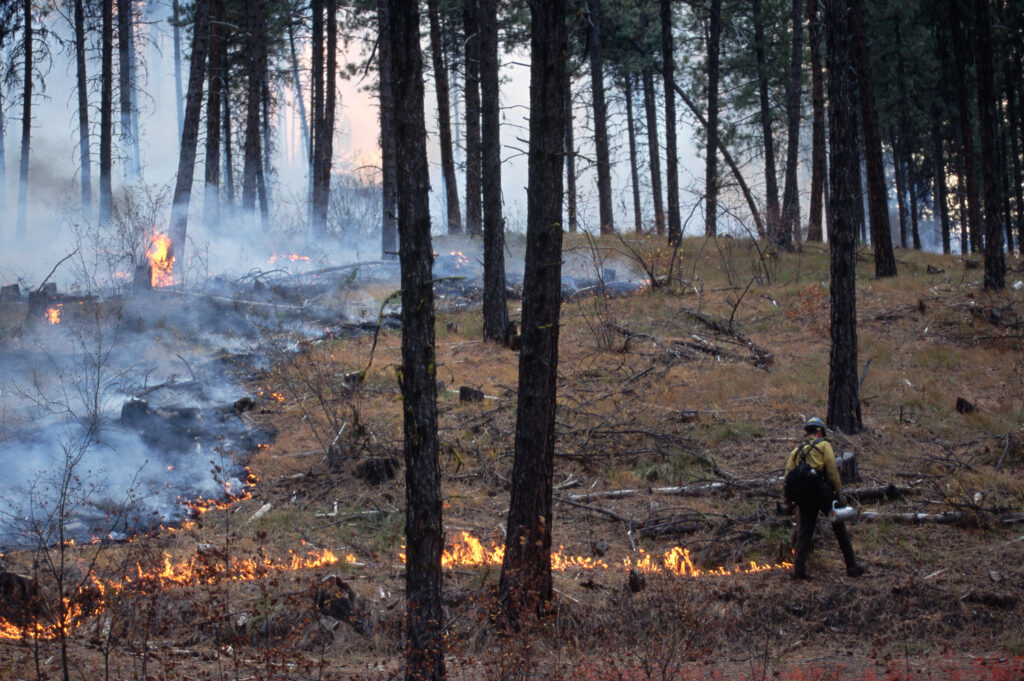
However, fires still have a place in our society. Planned burns aim to reduce the risks of larger, uncontrolled events, while Indigenous burning practices are central to the care and health of Country.
In discussions of landscape fire smoke, it is essential to centre the needs and experiences of impacted communities and to consider interdisciplinary solutions that reflect the complexity of climate change, land management, public health, ecological safety, and the fundamental right to clean air. Effective responses require guidelines and public health strategies that protect both human and environmental health.
Big questions include:
- How is the climate affecting fire risk and the landscape in Queensland?
- What does the science tell us about controlled burning?
- What does the reinvigoration and growth of Aboriginal cultural burning mean for wider land management?
- What do we know about the health impacts of landscape fire smoke?
- What options are available to protect the health of communities affected by smoke?
This interdisciplinary forum is relevant to experts from many fields and to anyone involved with air quality, fire, land management and health.